Multi-Faith Wedding Photography
Find and compare 661+ photography specialising in Multi-Faith weddings.
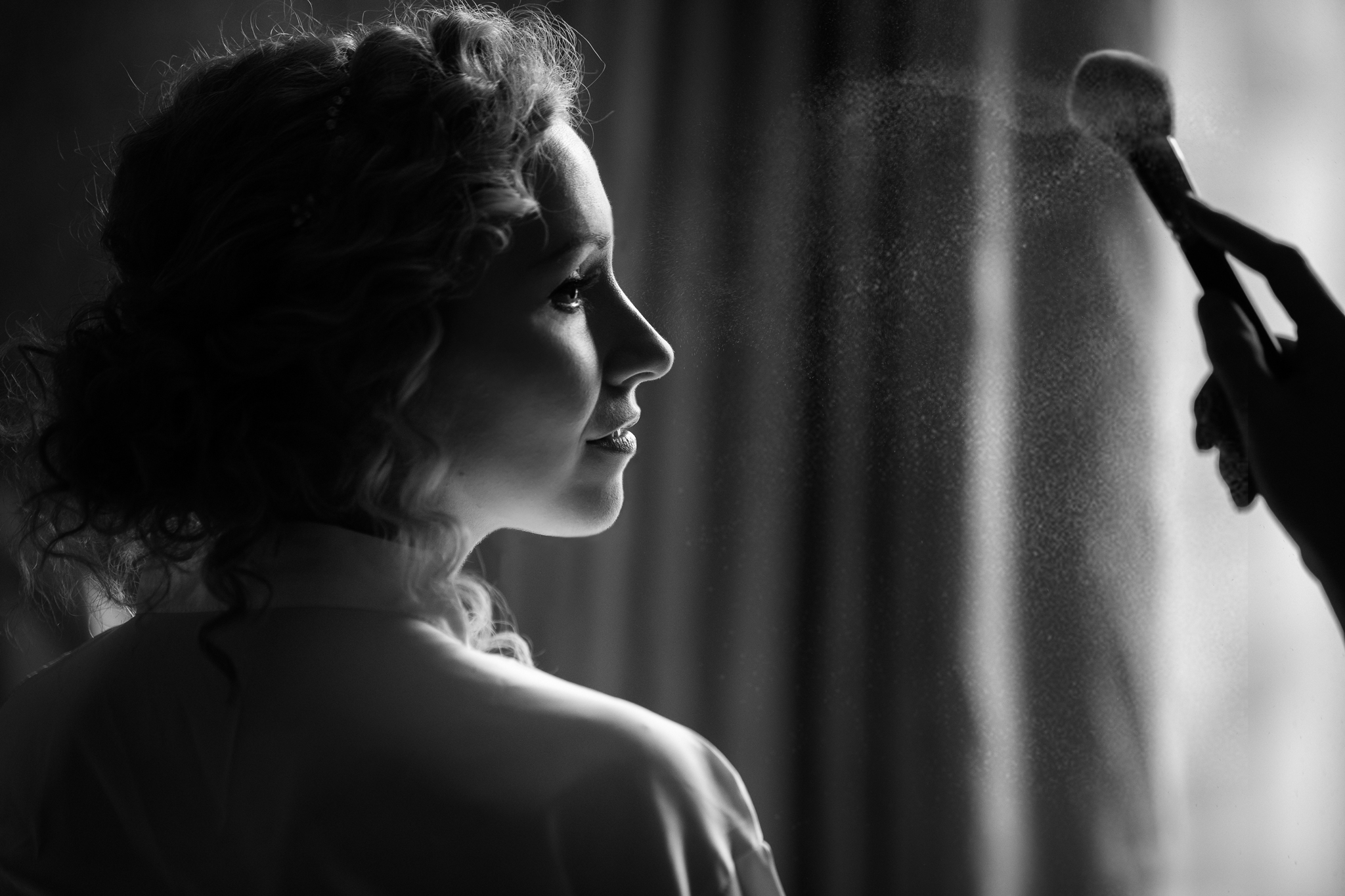
Doville Gail Photography | London Weddings & Events
Photography
London
££

Asian weddings
Photography
Birmingham
££
Yogita Thakor Photography
Photography
Birmingham
££
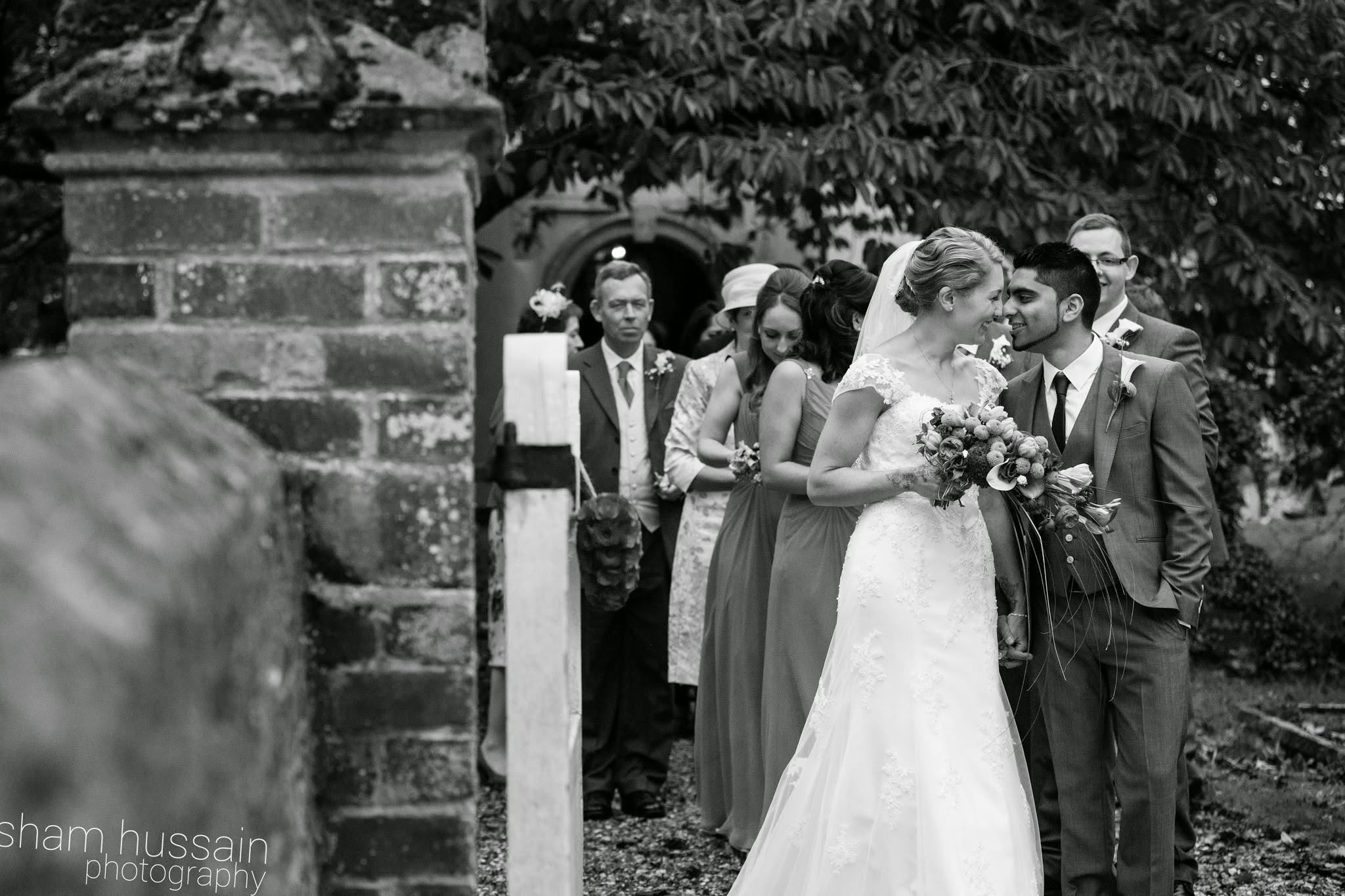
Sham Hussain Photography
Photography
Luton
££
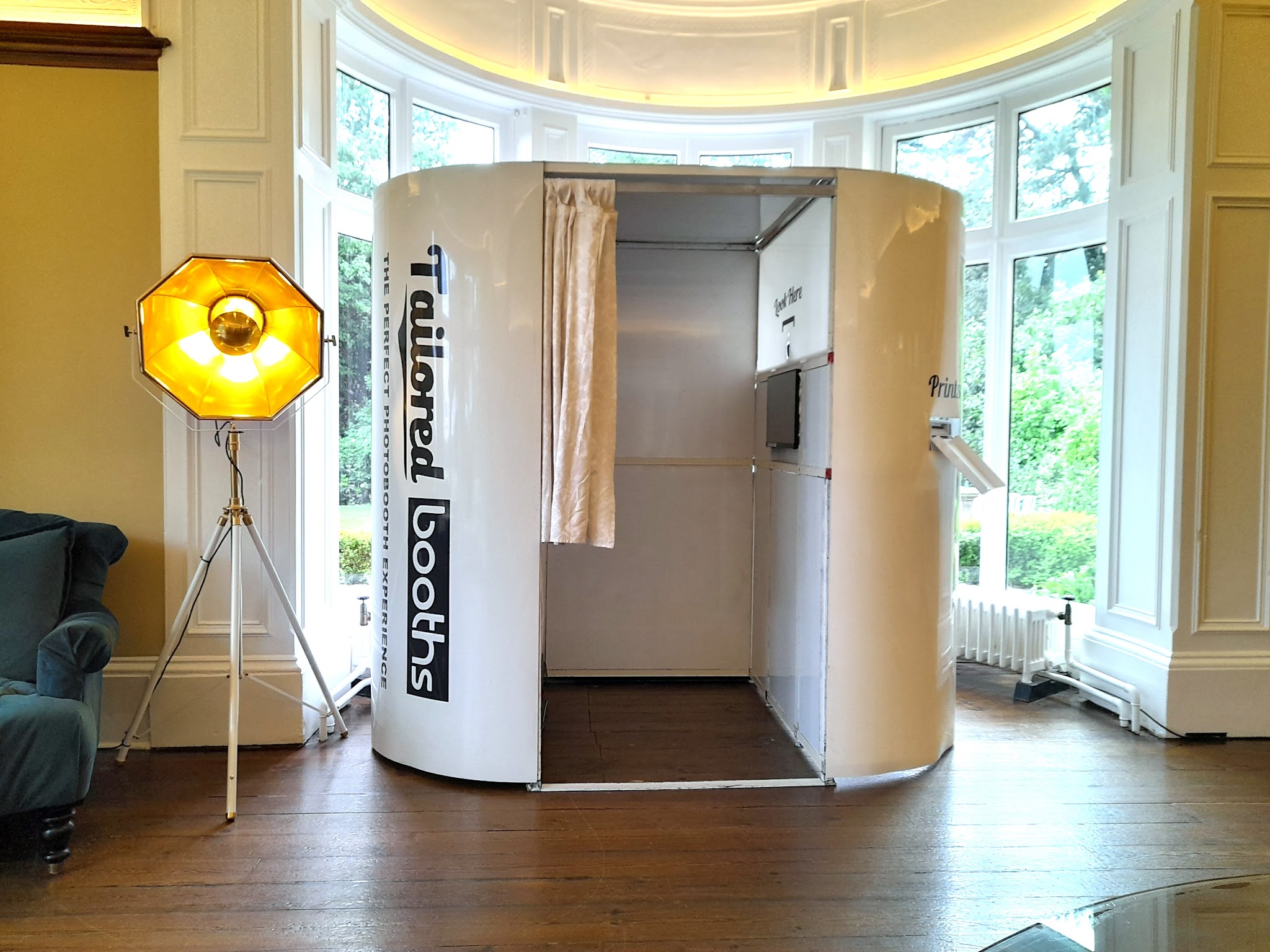
Tailored Booths
Photography
Coventry
££

S2 Images
Photography
Coventry
££
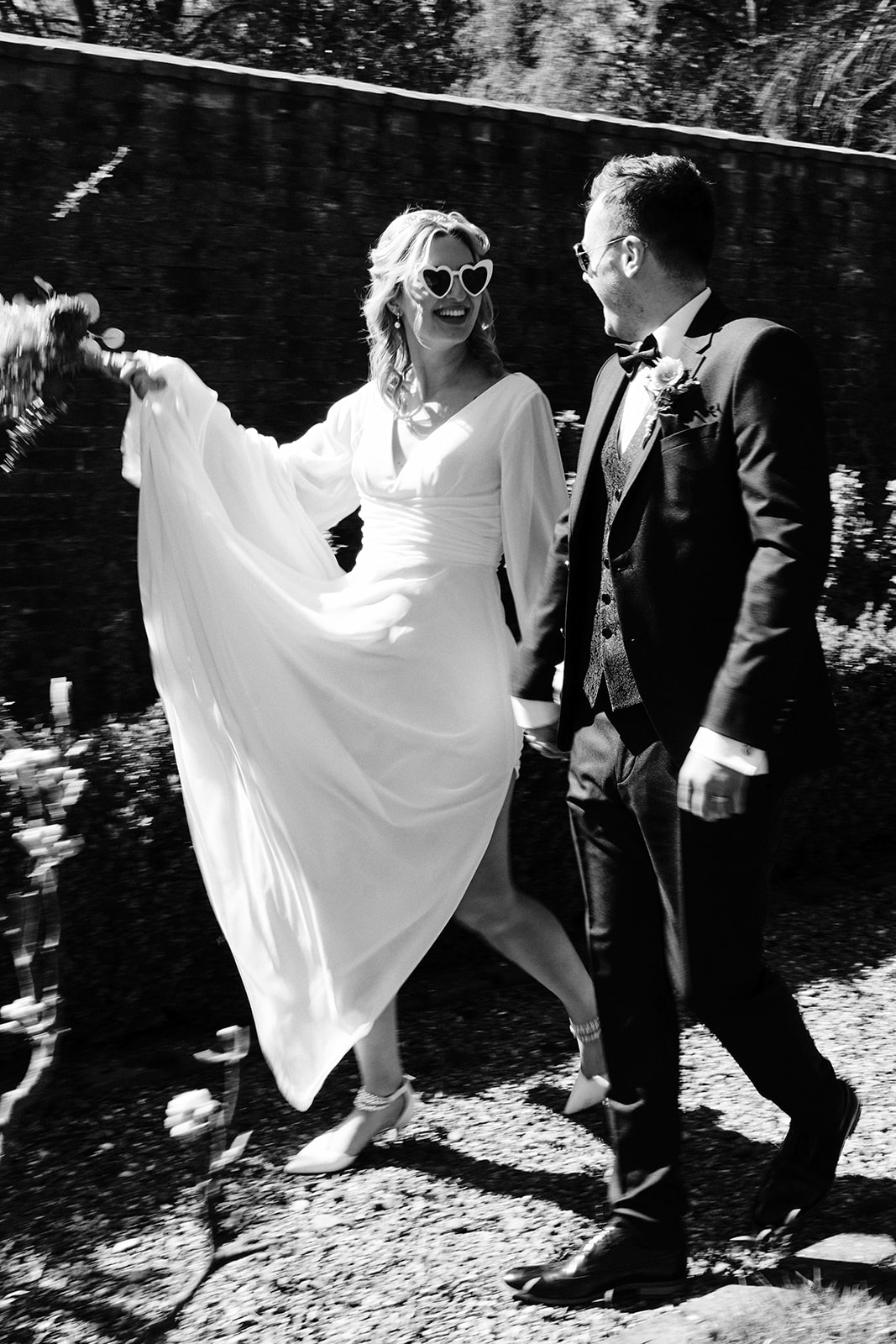
Luke Whittemore Photography
Photography
Nottingham
££

James Richardson Photography
Photography
Nottingham
££
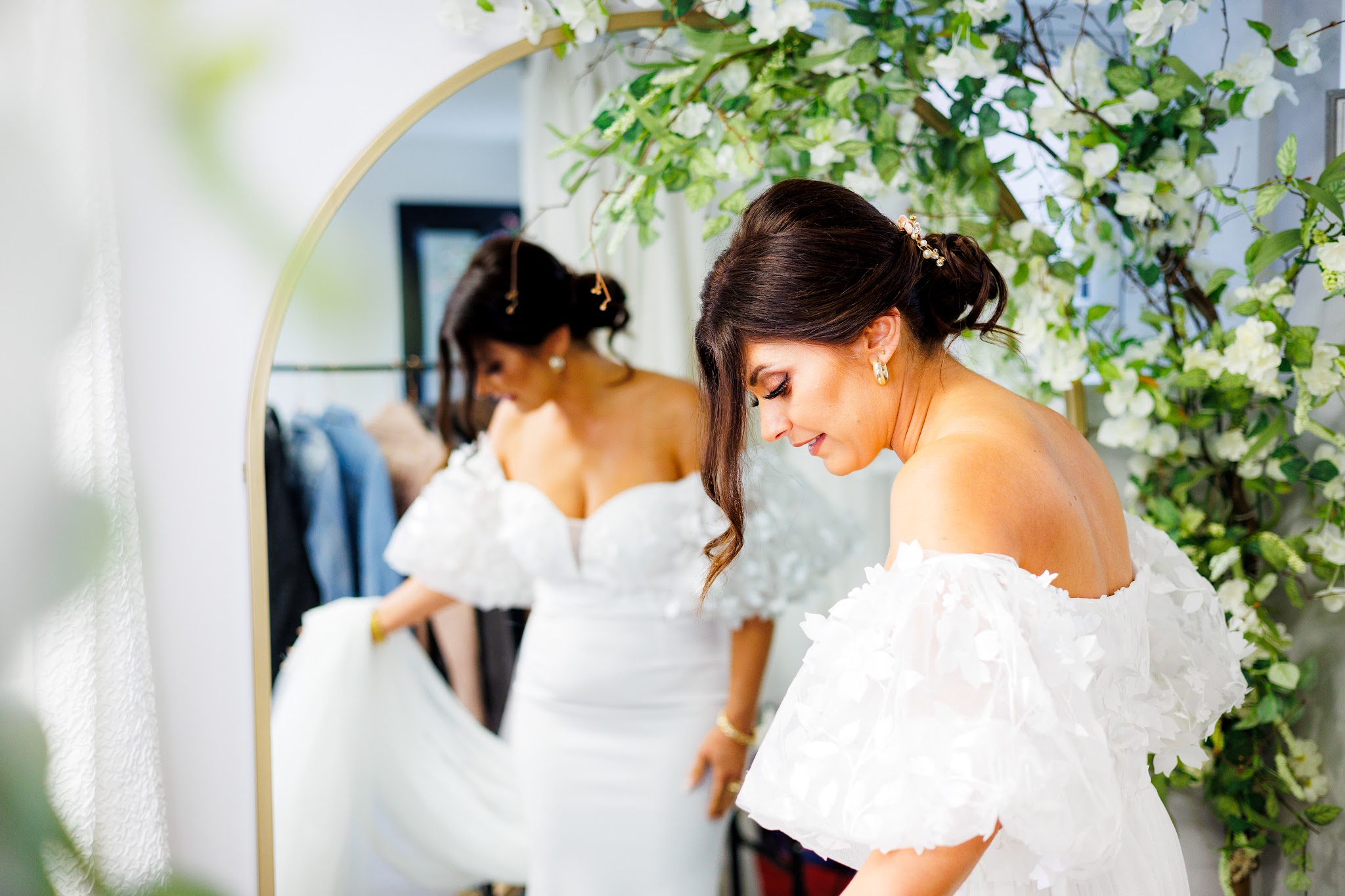
Gianni Photographer Nottingham
Photography
Nottingham
££
Image and Light Photography
Photography
Nottingham
££
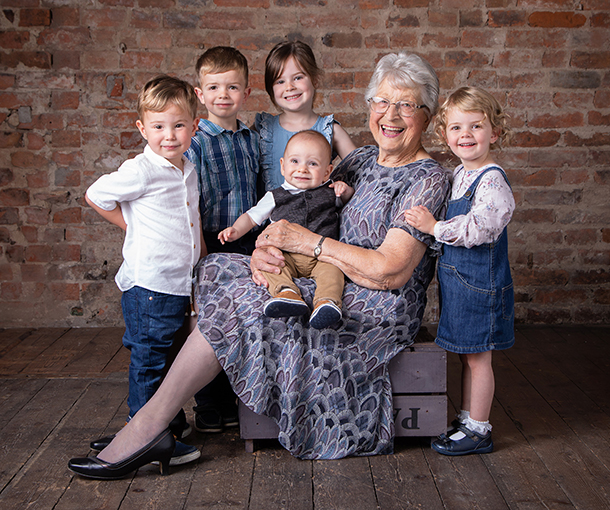
Photo Nottingham
Photography
Nottingham
££
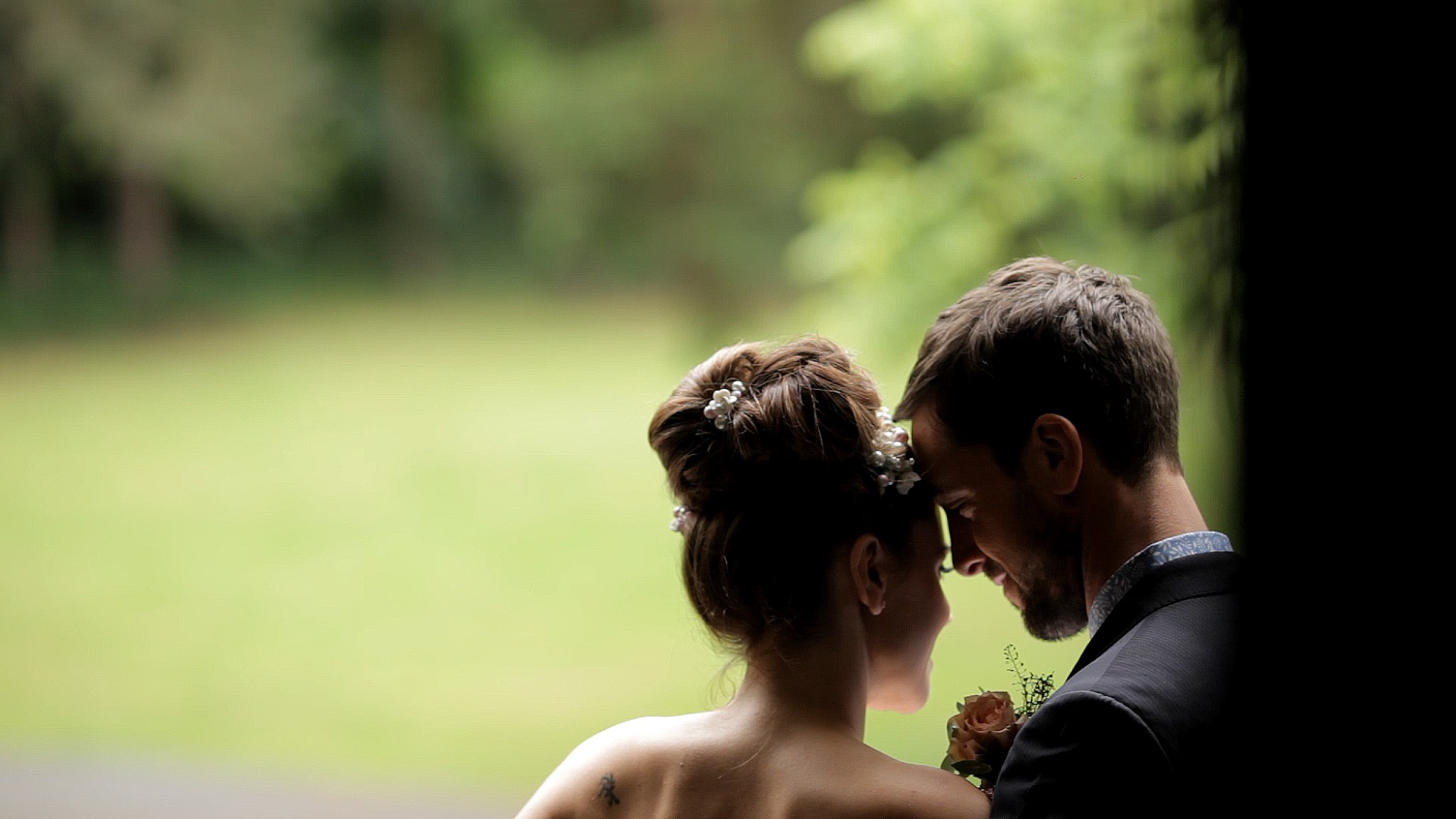
Jason Lynch Weddings
Photography
Nottingham
££
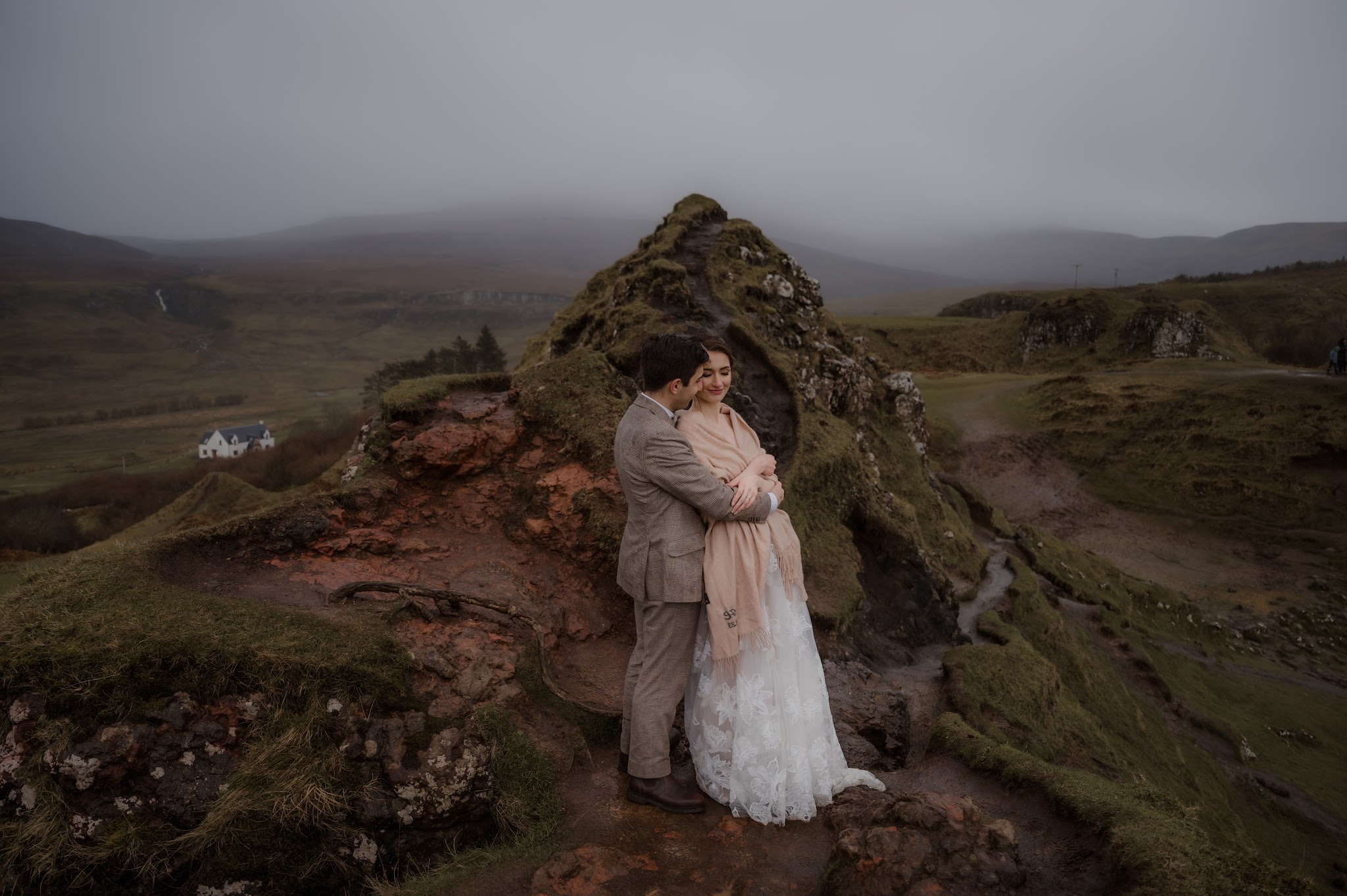
Natalia Swiader Photography
Photography
London
££
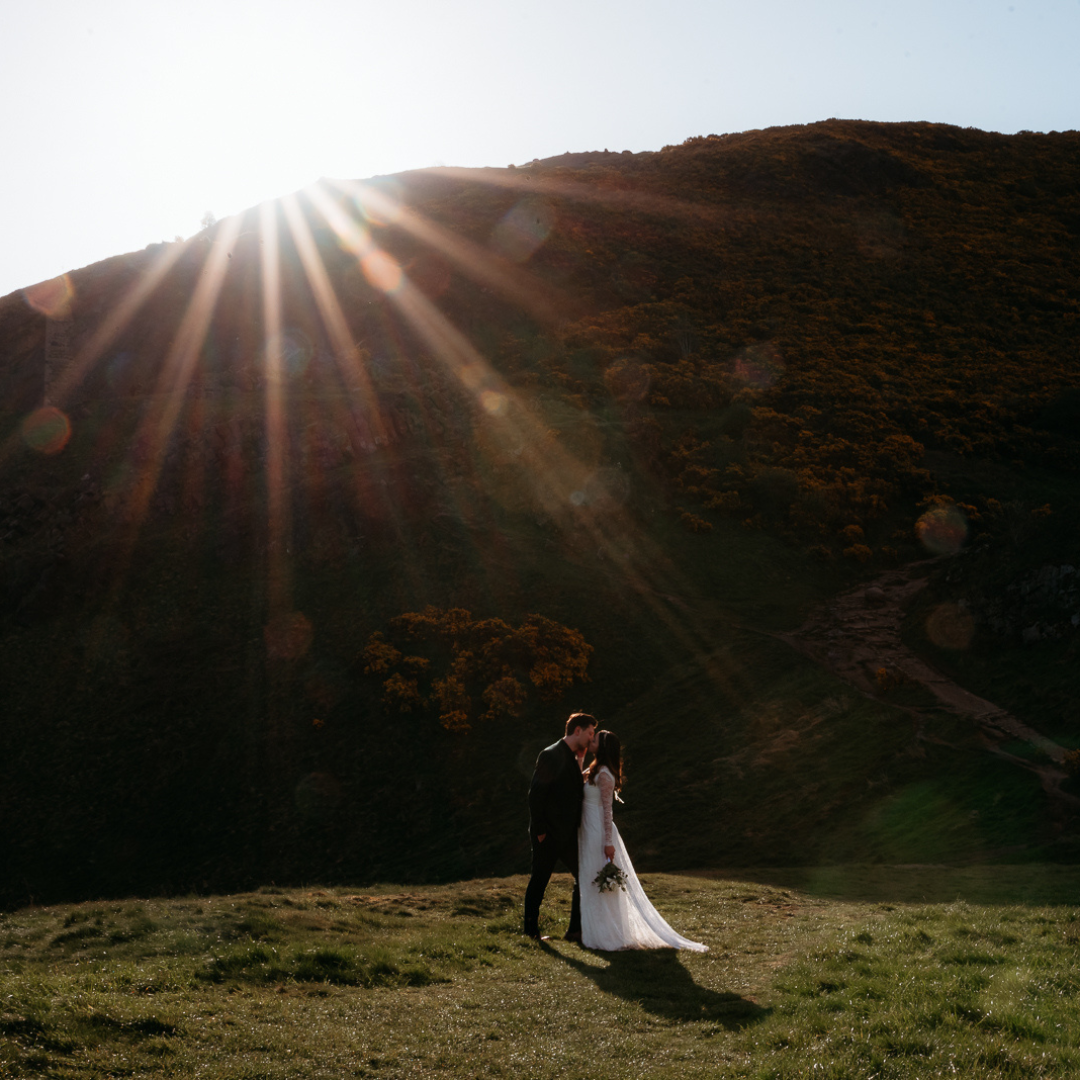
Wildling Weddings
Photography
London
££
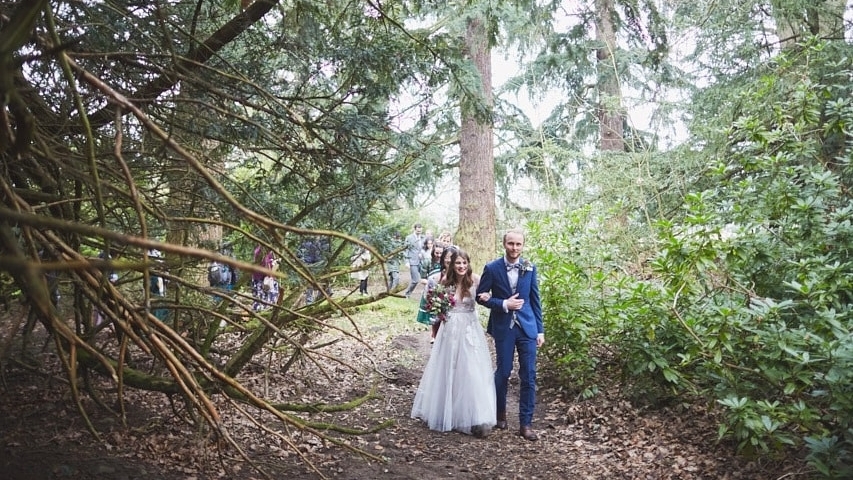
Malishka Photography
Photography
Edinburgh
££
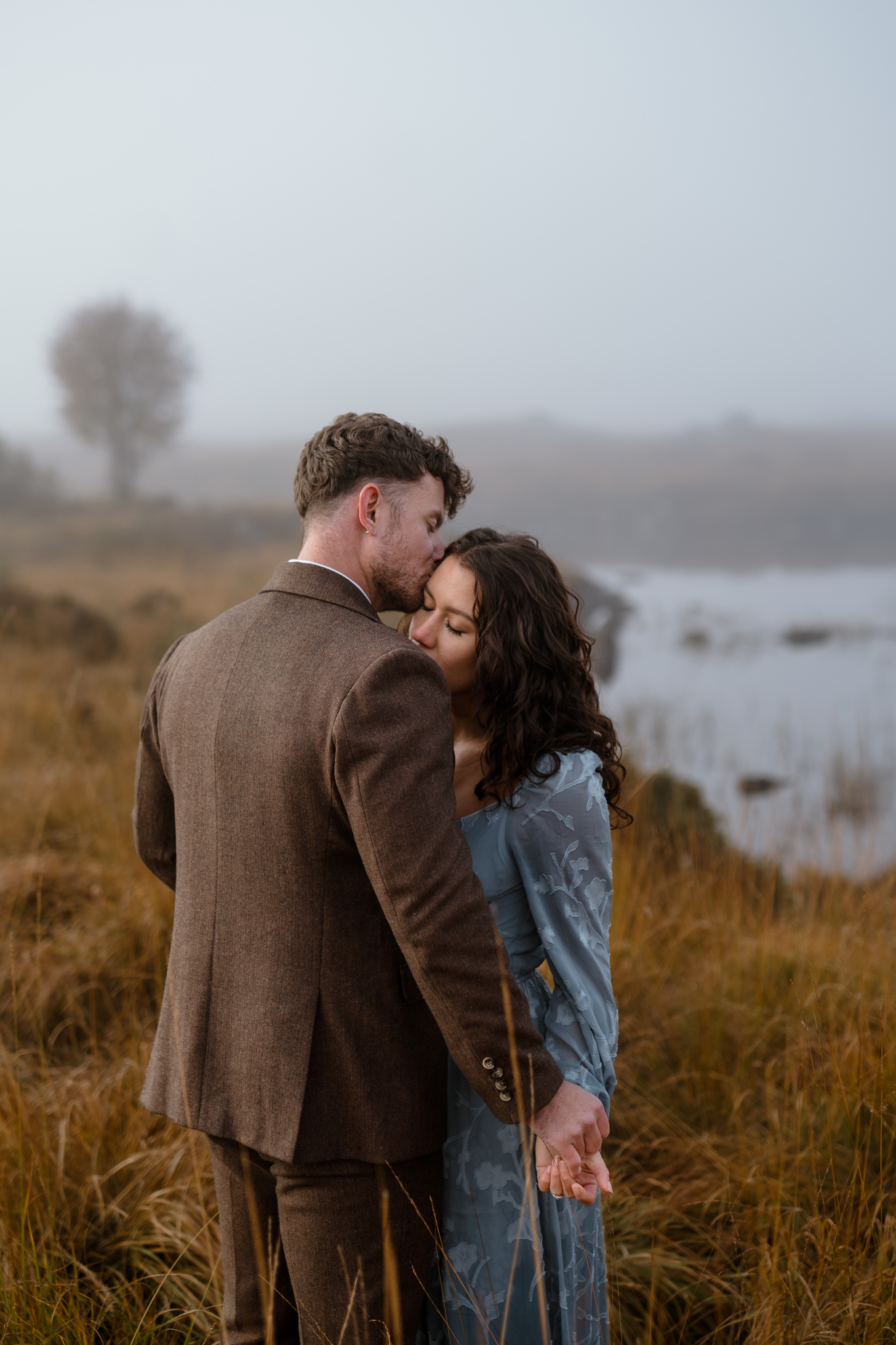
Ieva Marija Photography
Photography
London
££

Camerashy Photography
Photography
London
££
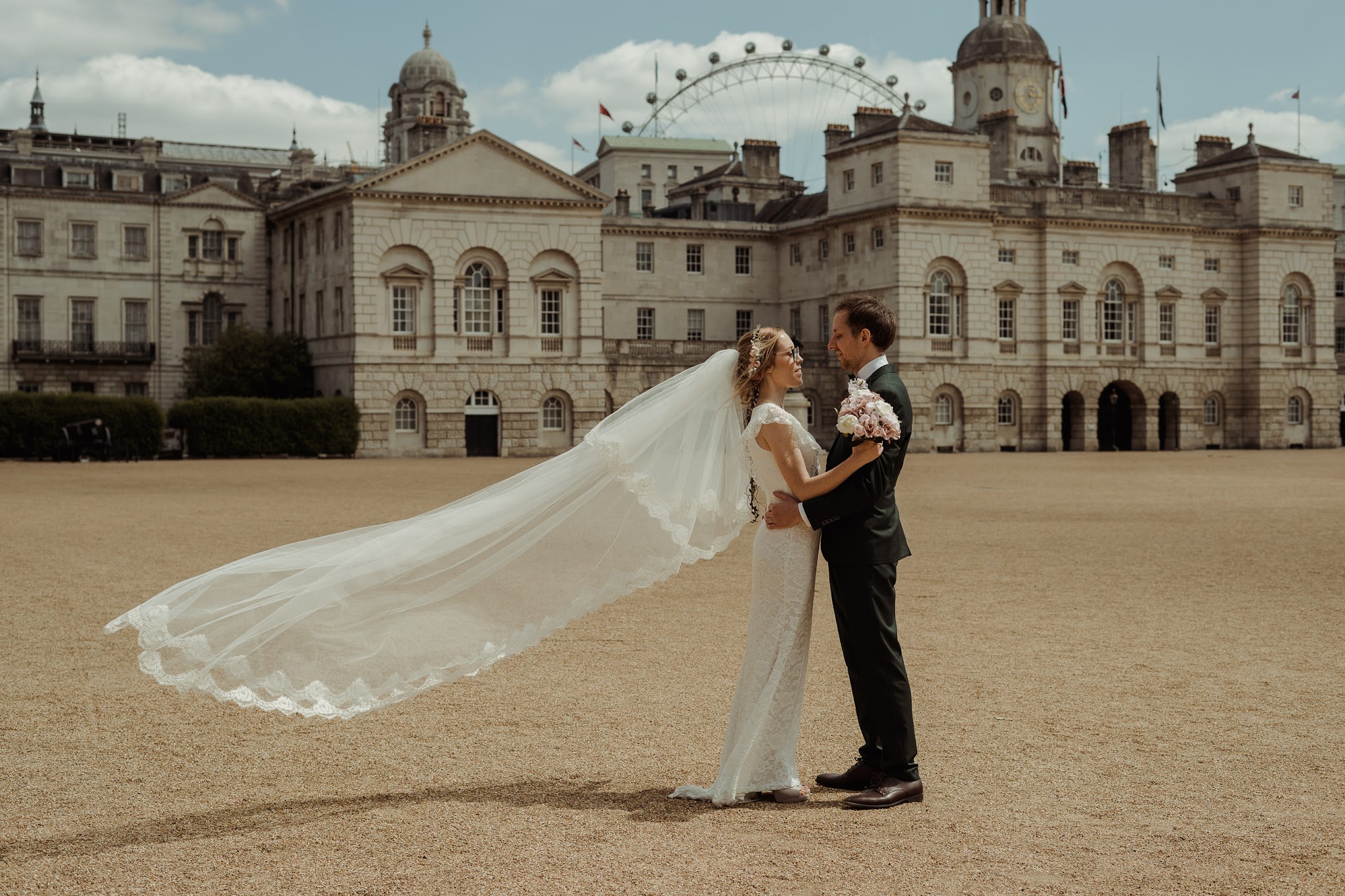
Mint and Jasmine
Photography
London
££

Romina Key Photo | Alternative wedding photography in Edinburgh
Photography
London
££
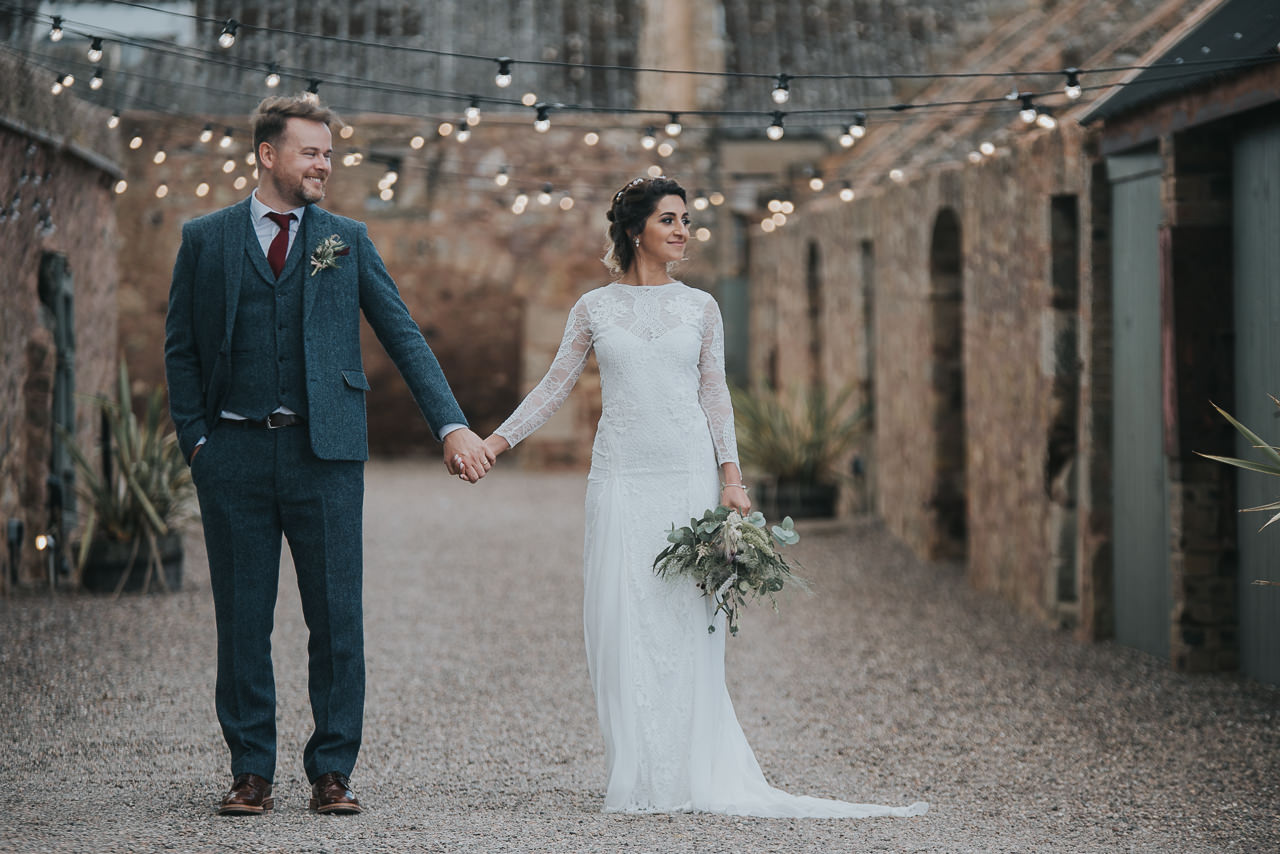
Karol Makula Photography
Photography
Dalkeith
££

Fern Photography
Photography
Edinburgh
££
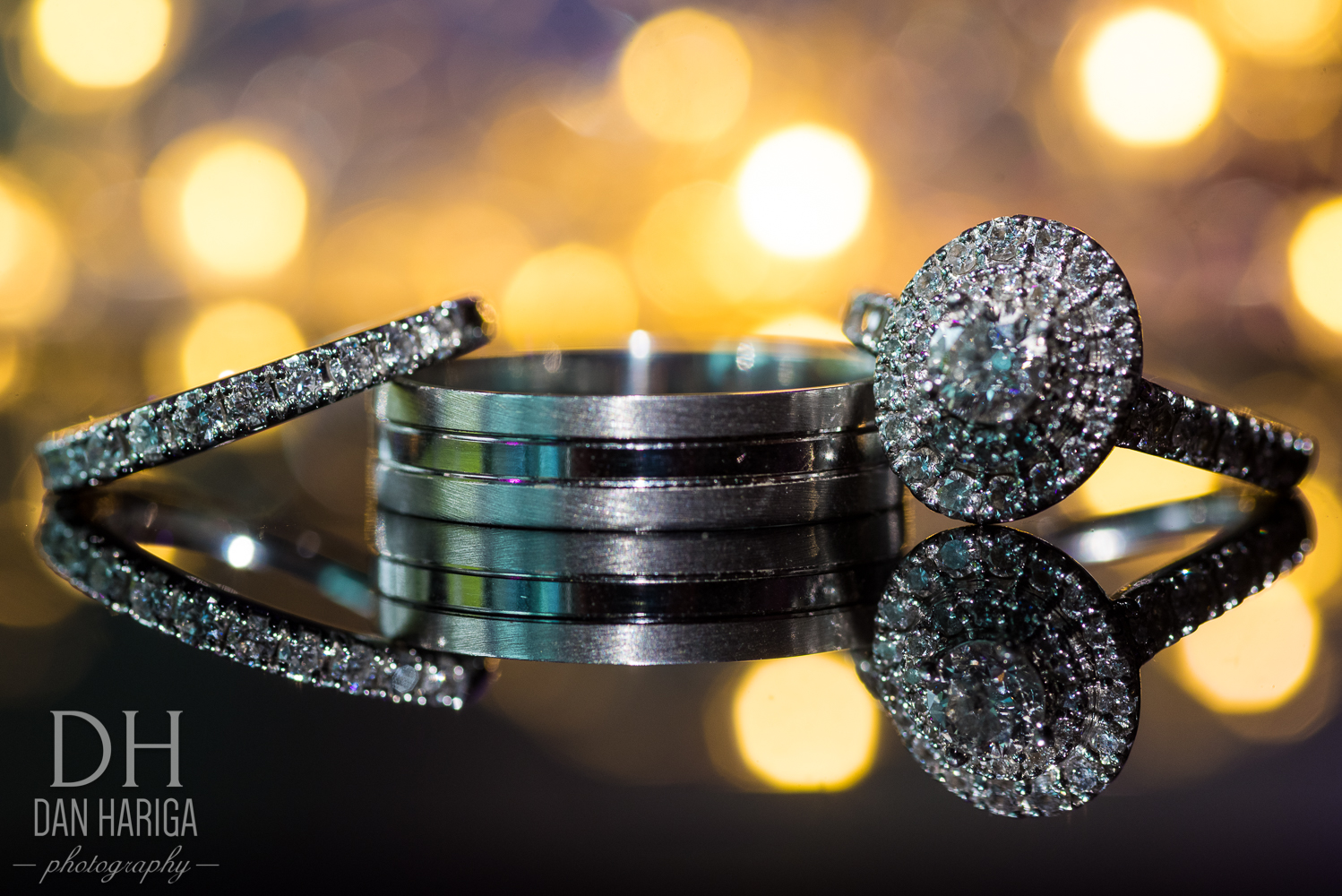
DH Photography
Photography
Edinburgh
££
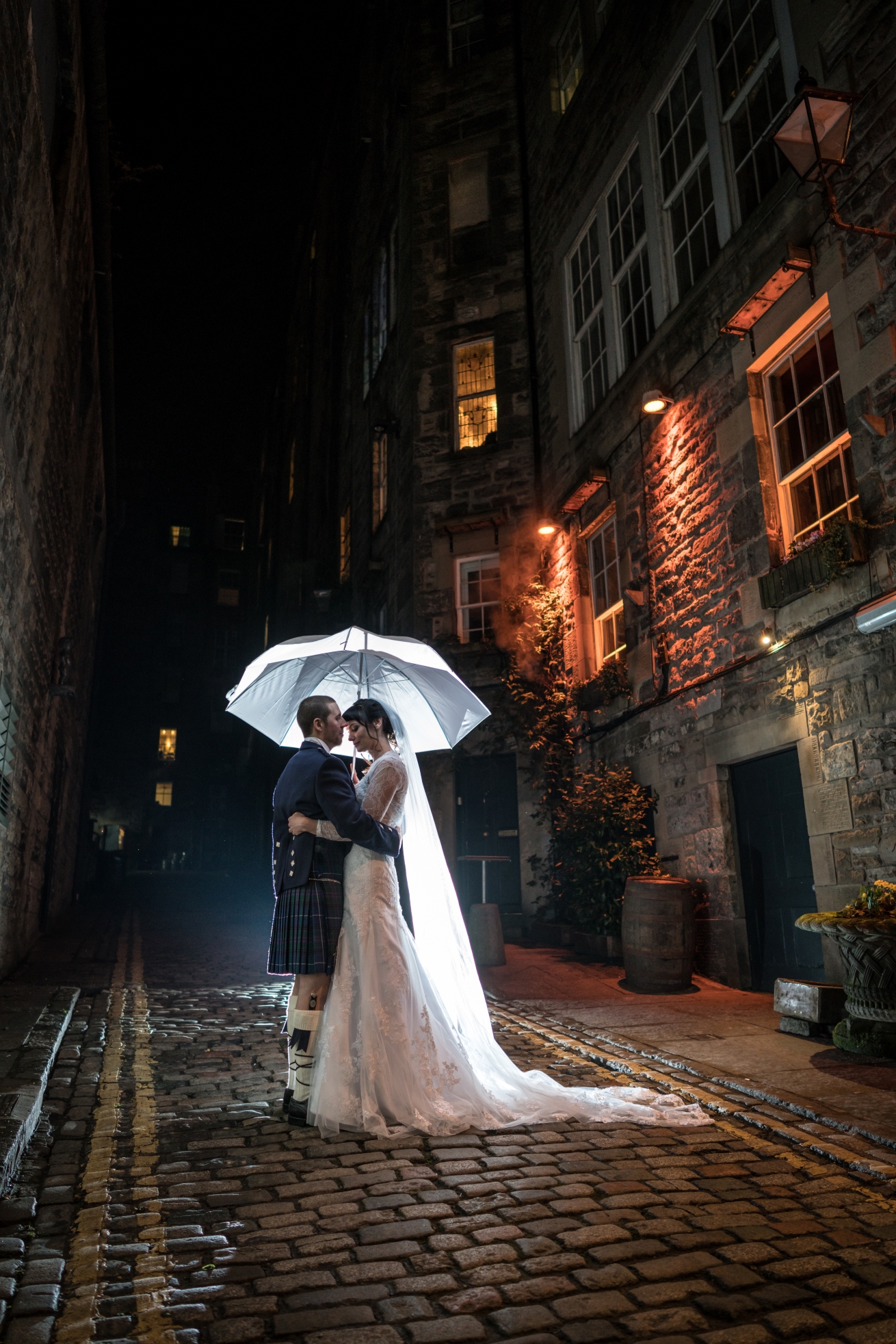
Lee Live: Wedding Photographer
Photography
Loanhead
££
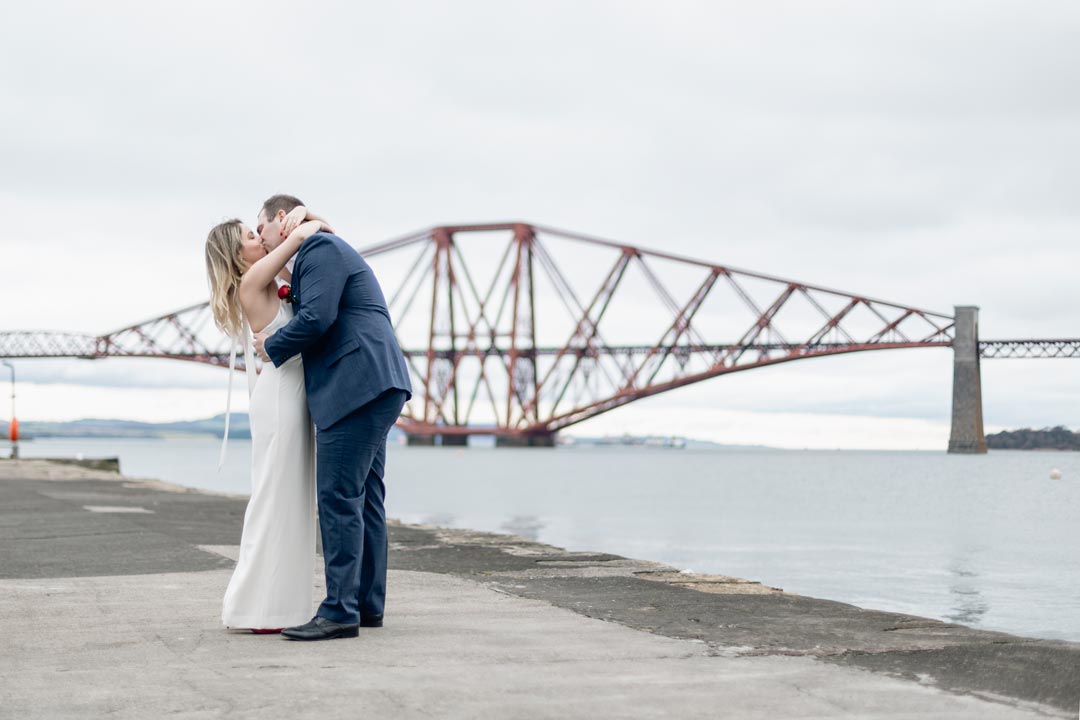
Jasmin Bauer Photography. Wedding Photographer in Edinburgh
Photography
London
££
How much do photography cost?
Asian wedding photographers in the UK typically charge between £800 and £5,000. Most couples spend £1,500 to £3,000 for full-day coverage including an edited gallery. See full price guide →
Planning Your Multi-Faith Wedding
Multi-faith weddings celebrate the union of two people from different religious or cultural backgrounds. These ceremonies beautifully blend traditions, creating unique celebrations that honour both families heritage.
Key Traditions
- •Blended ceremony elements from both faiths
- •Interfaith officiant or multiple celebrants
- •Combined ritual sequences
- •Fusion pre-wedding events
- •Multicultural reception celebrations
- •Symbolic unity ceremonies
- •Inclusive blessing formats
Tips for Choosing Photography
- •Choose vendors experienced with interfaith celebrations
- •Ensure photographers can capture diverse traditions
- •Select caterers who can accommodate multiple dietary requirements
- •Book decorators skilled in fusion design aesthetics
- •Consider entertainment that appeals to diverse guests
Common Requirements
- •Flexible ceremony space for different rituals
- •Multiple catering options (Halal, vegetarian, etc.)
- •Decor that respectfully blends both cultures
- •Officiants comfortable with interfaith ceremonies
- •Translation or explanation cards for guests
Multi-Faith Wedding FAQs
How do we plan a ceremony that respects both religions?▼
Start by identifying key rituals from each tradition that are most meaningful to you. Work with an interfaith officiant or celebrants from both faiths who are open to collaboration. Create a ceremony flow that naturally weaves elements together without diminishing either tradition.
How do we handle different dietary requirements?▼
Work with experienced caterers who can prepare separate menus that respect all dietary laws (Halal, Kosher, vegetarian, etc.). Consider having clearly labelled stations or a carefully planned menu that naturally accommodates everyone. Communicate requirements to guests in advance.
Will families from different backgrounds feel included?▼
Yes, with thoughtful planning. Provide ceremony programs explaining different rituals. Include elements from both cultures in decor and entertainment. Ensure vendors communicate in languages guests understand. Most families appreciate the respect shown to their traditions.
Browse Photography by City
About Photography
Asian weddings are uniquely vibrant, multi-day celebrations that demand a photographer who truly understands the culture. From the intimate mehndi night to the grandeur of the baraat and the solemnity of the ceremony, every moment carries deep significance. The best Asian wedding photographers blend candid documentary style with traditional posed shots, ensuring nothing is missed across events that can span three or more days. They know when the key rituals happen — the kanyadaan, the pheras, the lavaan — and position themselves to capture each one perfectly. Many offer pre-wedding shoots at iconic UK locations, same-day slideshows for the reception, and albums designed with a cinematic narrative. When choosing a photographer, review full wedding galleries rather than highlight reels, ask about their experience with your specific ceremony type, and confirm how many hours and shooters are included. South Asian weddings often run longer than Western ones, so ensure your package covers the full timeline without overtime surprises.
Common Questions
How much does an Asian wedding photographer cost in the UK?▼
Prices typically range from £800 for basic single-day coverage to £5,000+ for premium multi-day packages with two shooters. Most couples spend £1,500-£3,000 for comprehensive coverage of all events including mehndi, ceremony, and reception.
Should I book separate photographers for mehndi and the wedding day?▼
Most couples book the same photographer for all events to maintain a consistent style across the album. Many photographers offer multi-day packages at a discounted rate compared to booking each day separately.
What is the difference between candid and traditional Asian wedding photography?▼
Traditional photography focuses on posed family group shots and staged portraits, while candid photography captures natural moments as they unfold. Most modern Asian wedding photographers blend both styles, ensuring you get the formal family shots elders expect alongside emotional, unscripted moments.
How far in advance should I book an Asian wedding photographer?▼
Book 9-12 months ahead, especially for summer weekends which are peak Asian wedding season. Top-rated photographers in cities like London, Birmingham, and Leicester often book up 12-18 months in advance.
Do Asian wedding photographers shoot in temples and gurdwaras?▼
Yes, experienced Asian wedding photographers are familiar with the rules at religious venues. Some gurdwaras restrict flash photography during the Anand Karaj, and many mandirs have specific areas where photographers can stand. A specialist will know these protocols.